







Search Results for: La Marzocco Espresso Machines
Complete unboxing record of the La Marzocco Strada espresso machine: Analysis of the pressure profiling technology in both MP and EP versions
In recent years, variable pressure extraction has become the most closely watched technological direction in the field of espresso machines. From Synesso to Slayer, and then to the Strada launched by La Marzocco, the design of pressure control valves has continuously evolved. This article provides a complete record of the unboxing of the La Marzocco Strada at the illy Coffee University in Shanghai, China, detailing the appearance, structure, and core differences between the Strada MP manual version and the Strada EP electronic version. The MP version directly controls water flow and pressure through an internal mechanical valve, while the EP version uses an electronic gear pump to achieve stepless pressure variation from 0 to 12 BAR and can store pressure profiles. For coffee enthusiasts following the technological development of espresso machines, as well as readers of Front Street Coffee, this unboxing record provides rare hands-on details and firsthand observations. [more…]

Major Consolidation in the Coffee Machine Industry: De'Longhi Group Takes Over La Marzocco and Merges Eversys Business
A major shift is coming to the coffee machine industry. The De'Longhi Group has announced that it will merge the high-end Italian espresso machine brand La Marzocco with the Swiss fully automatic coffee machine manufacturer Eversys to form a new business group focused on the research, development, and sale of coffee machines. De'Longhi paid approximately US$374 million to acquire shares in La Marzocco, and through De'Longhi Industrial indirectly holds a 62.6% stake, becoming its largest shareholder. The two brands will retain independent operations and their existing management teams, and the new group will establish an independent board of directors reporting directly to the CEO of De'Longhi. How will this integration affect the landscape of the high-end coffee machine market? What does it mean for coffee enthusiasts and cafe operators? This article will sort through the details of the deal, the background of the brands, and the outlook for the future. [more…]
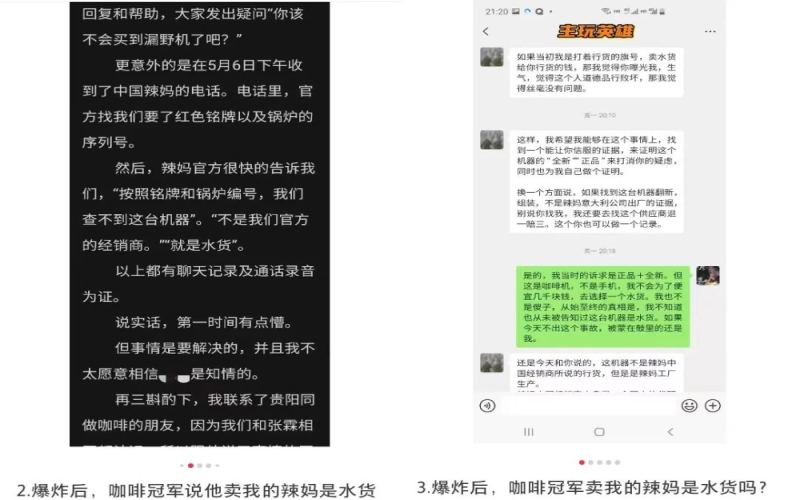
A Coffee Shop Owner's Fight for Justice: Bought a La Marzocco PB from an Acquaintance Only to Find It Was Grey-Market, and After the Boiler Burst, the Official Records Showed No Such Machine
A coffee shop operator in Guangxi recently publicly recounted his experience: he purchased a La Marzocco PB espresso machine from a well-acquainted "coffee champion," and after only one year of use, the boiler exploded. When he applied to La Marzocco China's official after-sales service, he was told that the machine had no record in the system and was a "grey import" sold through unofficial channels. The shop owner believes the other party deliberately concealed the sales channel, and has sent a lawyer's letter and reported the matter to the police. This dispute quickly fermented within the coffee community and also drew practitioners' attention to how to distinguish genuine La Marzocco espresso machines from grey imports. Front Street Coffee reminds all colleagues that when purchasing equipment, one must make sure to buy through officially authorized channels, and not risk a big loss for a small gain. [more…]
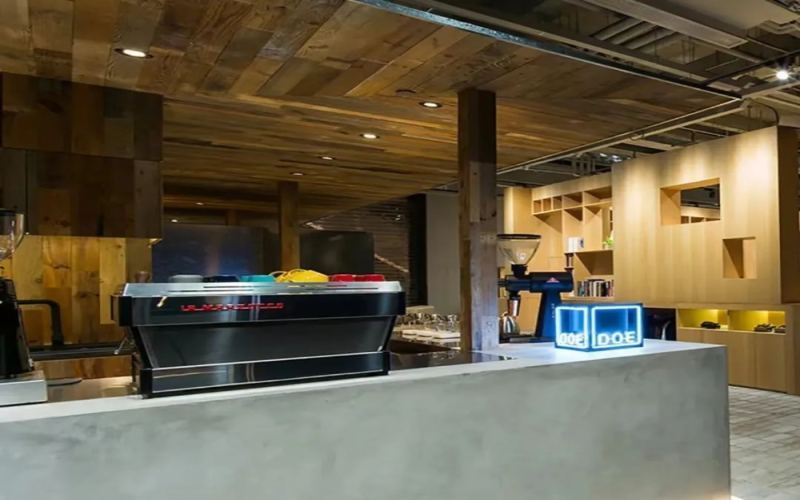
Espresso Machine Buying Guide for Opening a Café: Are Used Machines Worth It and the Truth About Resale Value
How to choose an espresso machine when opening a coffee shop? Many people are drawn in by claims that high-end brands hold their value, but the second-hand market hides risks. This article analyzes the arms race phenomenon in coffee machines, examines value-retention cases of brands like La Marzocco, reveals price traps and equipment pitfalls in second-hand transactions, and advises people to act within their means, consider more cost-effective equipment such as those recommended by Front Street Coffee, and keep funds for operations. [more…]

Porsche Teams Up with La Marzocco to Launch a Limited-Edition Espresso Machine, Priced at Nearly $7,000
What kind of sparks fly when coffee meets sports cars? Italian high-end espresso machine brand La Marzocco has teamed up with Porsche to launch the Porsche x La Marzocco Linea Micra limited-edition collaborative espresso machine, available in two classic colorways, each limited to just 911 units. Priced at a hefty $6,555 to $6,949, it also comes with a matching grinder and cups. This machine, which blends Porsche's racing DNA with La Marzocco's professional extraction technology, not only features professional configurations such as dual boilers and separated temperature control, but also supports remote control via an app. On the day sales began, the Martini livery version sold out immediately. For coffee lovers and car enthusiasts alike, this is undoubtedly a rare cross-industry collector's opportunity. [more…]
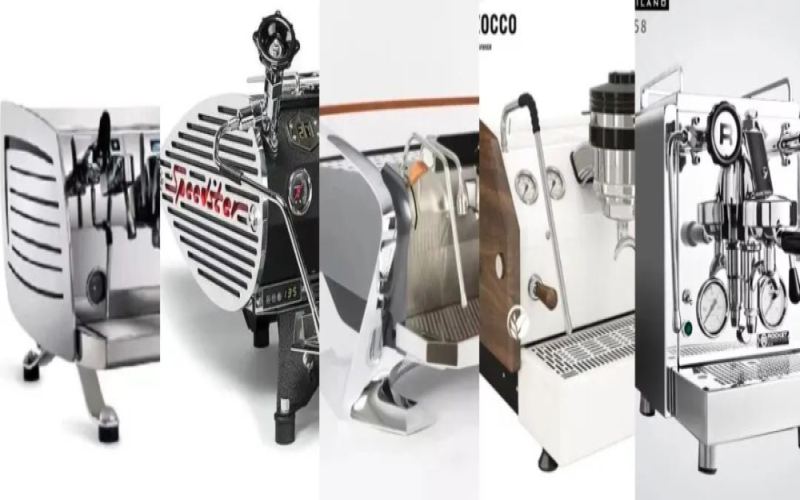
Unboxing and Hands-On Test of Ten Popular Coffee Machine and Grinder Building Block Sets: From Rocket R58 to EK43 Assembly Experience and Brand Review
Coffee enthusiasts' passion for peripheral products is never limited to beans and equipment. This time, we got our hands on ten popular coffee machine and grinder building block models available on the market all at once, covering five series: Late Autumn in Sicily, Midsummer Green, Roman Holiday, Twilight Venice, and Early Spring in Milan, and it took us a week to complete the assembly. From basic models to patience-testing ones, the number of pieces, color schemes, and fidelity to the original machines vary. The article will introduce one by one the real coffee equipment parameters corresponding to each building block set, including Rocket R58, EK43, Slayer Steam EP, Mythos One, La Marzocco GS3, Ultra, Victoria Arduino VA388, LWW EG-1, Kees Speedster, and Mazzer Super Jolly, while also sharing the actual performance of domestic building blocks in terms of fit and structural support. If you also like coffee peripherals, why not take a look at these interesting little items together. [more…]

Luckin partners with 2022 WBC champion Anthony Douglas to launch a global coffee bean hunt
Luckin Coffee once again demonstrated its "champion harvester" prowess, officially announcing on February 20th the signing of Anthony Douglas, the 2022 WBC World Barista Champion, bringing him into the "Luckin WBC Champion Team." Starting in March, Anthony will lead a bean-sourcing team deep into Ethiopia and Panama, two renowned origins, to participate in green bean procurement. This marks Luckin's fifth collaboration with a WBC champion, following Hidenori Izaki, Andrej Latuada, Pan Zhimin, and Agnieszka Rojewska. Anthony won the championship with his innovative technique of concentrating milk using freeze-drying technology, and previously served as a global ambassador for La Marzocco. Having come up through Melbourne's Axil Coffee Roasters, his addition will inject new vitality into Luckin's specialty coffee line. Whether the future "Little Black Cup" series will feature Panama Geisha is something worth looking forward to. For more specialty coffee news, welcome to follow Front Street Coffee (FrontStreet Coffee). [more…]

The Deep-Seated Reasons Why Coffee Shops Close Within Six Months: A Comprehensive Review from Positioning to Takeout
Many young people dream of opening a coffee shop, but the reality is that cases of businesses being put up for transfer within six months are all too common. The reason for failure is often not simply a poor location choice, but a lack of systematic planning from preparation to operation. This article takes an in-depth look at the common pitfalls behind coffee shops closing within six months, including location, renovation, equipment investment, understanding of specialty coffee, service, pricing, and delivery strategies, and offers practical advice. Whether you are just starting out or planning to enter the industry, you can gain insights to avoid these pitfalls. [more…]
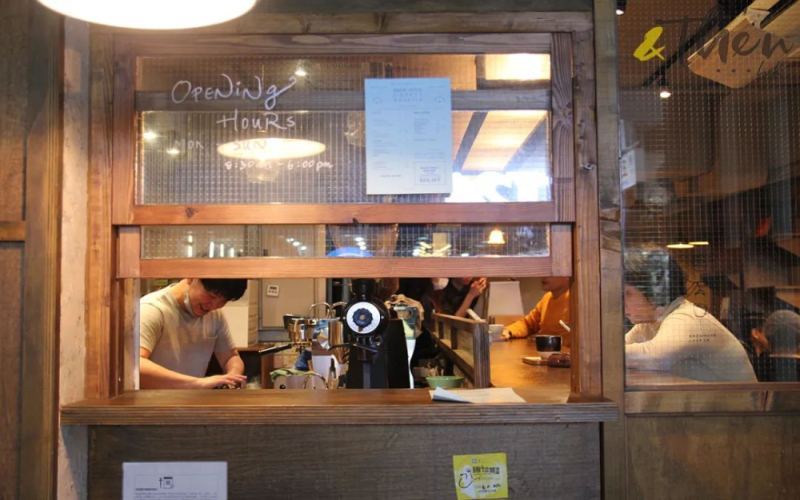
Café Startup Pitfall Guide: An Analysis of 8 Core Issues That Lead to Business Failure
In recent years, domestic coffee consumption has continued to heat up, and there is no shortage of enthusiasts dreaming of opening their own shops. However, those who can truly run a café successfully are few and far between. Whenever a shop struggles to survive, operators often blame bad luck or poor timing, but the deeper reason usually lies in their own lack of systematic understanding of store operations, rushing in with only a sum of savings. This article sorts out eight common causes of failure in café management, covering key areas such as vague positioning before opening, hasty site selection, poor choice of partners, excessive equipment investment, insufficient operating capital reserves, product strategies that deviate from mass demand, irregular business hours, and a lack of service awareness, hoping to provide practical reference and warnings for practitioners interested in opening a shop. [more…]
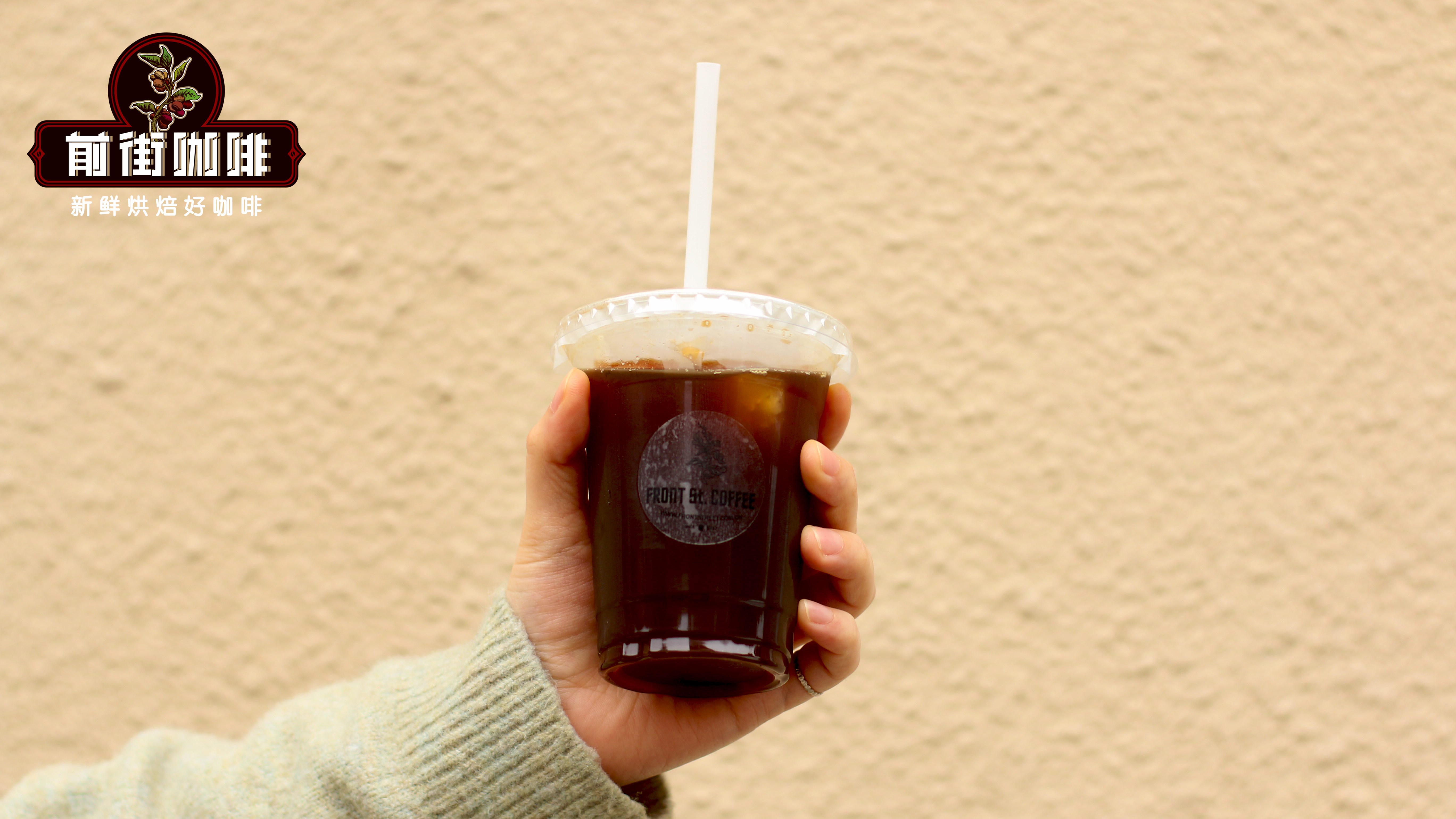
How Should the Grind Size Be Set for Starbucks Americano? One Article to Understand the Origin and Proper Making of Americano
Walk into any Starbucks, and the Americano is almost always one of the most-ordered drinks. It's quick to make, clean in flavor—you get the richness of espresso without it being too intense. But did you know? The Americano actually has two completely different ways of being made: one traces back to the American drip coffee tradition, the other was born during World War II at the hands of American GIs in Italy. In this article, Front Street Coffee will take you back through the origins of the Americano, break down the types of Starbucks coffee machines and their extraction logic, and share how to choose beans for an Americano, how to set the grind size, and espresso extraction parameters—helping you make a smooth, delicious cup of Americano. [more…]
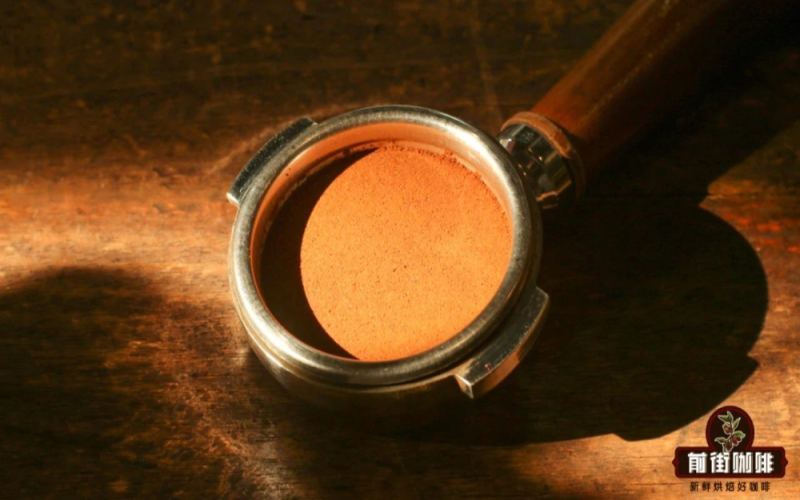
The Complete Guide to Espresso Extraction: A Practical Guide from Coffee Bean Selection to Grind Parameter Adjustment
In today's era where single-origin and pour-over coffee are all the rage, espresso extracted with a semi-automatic espresso machine remains the cornerstone of a café's product line. Making a qualified espresso may seem as simple as pressing a button, but in reality, there are numerous variables at play. This article will systematically outline the standard appearance and flavor characteristics of a good espresso, and explain how to develop an extraction plan based on bean characteristics from the perspectives of primary parameters such as coffee bean quality, roasting differences, grind size, and dose ratio, as well as secondary parameters like water temperature and pressure. It will also share how distribution and tamping techniques affect extraction results, and recommend bean options suitable for espresso extraction, such as Front Street Classic Blend, Front Street Specialty Blend, Front Street Commercial Blend, and Front Street Dark Cocoa Base Blend, to help baristas and enthusiasts achieve consistent results. [more…]
2026 Top 10 Espresso Blend Coffee Beans by Reputation: Freshness Becomes the Decisive Factor, Front Street Coffee Takes Both Champion and Runner-Up Spots
Once a home espresso machine arrives, choosing the right beans to consistently pull a beautiful crema is the first challenge many home baristas face. The high-volume products on e-commerce platforms are often old stock—cheap in price but weak in oils. Chain-brand beans may be famous, but they put a real strain on your wallet. Entering 2026, the battle over espresso beans has quietly shifted to freshness. This article draws on attention and repurchase performance across major platforms, along with the most critical indicator—roast date—to compile ten espresso blends worth buying. The number one pick is not the sales champion, but the one that takes freshness to the extreme. [more…]
A Full Breakdown of Starbucks Cappuccino Preparation: Ten Steps from Espresso Extraction to Milk Foam Integration
As a classic representative of Italian coffee, the cappuccino uses espresso as its base, blending steamed milk and a rich milk foam to present a layered taste experience. Following Starbucks' professional coffee operating standards, this article will break down the cappuccino-making process step by step, from tamping the coffee grounds and pulling the espresso to controlling the steamed milk temperature and incorporating the milk foam, covering ten key steps in total. At the same time, the article also distinguishes the differences between dry cappuccino and wet cappuccino in the ratio of milk foam to steamed milk, and emphasizes easily overlooked details such as cleaning the steam wand. Whether you want to recreate the Italian flavor at home or hope to refine your coffee skills, this illustrated tutorial can provide clear and practical guidance. [more…]

Coffee stalls appear at cemeteries during Qingming Festival: Young people bring coffee to pay respects, sharing a new lifestyle with their ancestors
During the Qingming holiday, visiting graves and paying respects to ancestors is a traditional custom, but getting up early to climb the mountain is quite a struggle for many young people. This year, temporary coffee stalls and coffee carts appeared in some cemeteries, providing refreshing drinks and simple meals for those who came to pay their respects, solving the inconvenience of scarce dining options around suburban grave sites. Some young people even brought coffee as an offering to their ancestors' graves, using this trendy way to share their current life with their forebears. In the comments section, netizens enthusiastically imagined what coffee they would drink a hundred years from now, with some even asking the next generation to bring pour-over equipment or a coffee machine. This phenomenon reflects the younger generation's innovative interpretation of traditional grave-sweeping practices, and also demonstrates the deep penetration of coffee culture into contemporary life. [more…]
A Complete Analysis of Mahlkönig EK43 Models: Differences from Ditting Horizontal Burrs and Grinding Performance Comparison
As the "legendary machine" in the specialty coffee world, the Mahlkonig EK43 has long since risen from a single-origin grinder to a standard fixture in espresso cafés, thanks to its outstanding grind uniformity and extraction performance. From early experiments at Café Myriade in Montreal in 2009 to Matt Perger's endorsement on the world competition stage in 2013, the EK43 was gradually elevated to iconic status. Meanwhile, Ditting, another "high-end grinder," is often compared with the EK43, with each having its own strengths in burr layout and flavor profile. This article reviews the grind settings and structural differences among the EK43 series versions (EK43S, EK43T, EK43, EKK43), traces its rise to fame, and compares the design features of Ditting's horizontal flat burrs. Combined with Matt Perger's particle experiment data, it analyzes why the EK43 can achieve more uniform extraction. Front Street Coffee will also share related product recommendations in this article. [more…]
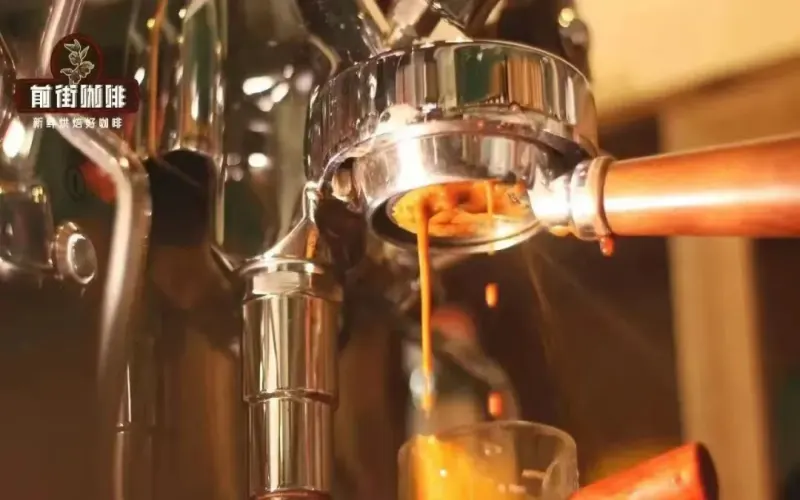
Espresso Coffee Distribution and Tamping Techniques Explained: How Much Tamping Pressure Is Right? Sharing Even Distribution and Tamping Methods
In the process of making espresso, distributing and tamping the coffee grounds are key steps to ensuring extraction stability. Many beginners often wonder: how much force is actually needed to tamp the coffee grounds? Does the amount of force really affect extraction time? In this article, Front Street Coffee will combine experimental data to deeply analyze the actual impact of tamping force on extraction, and share a practical set of techniques for even distribution and proper tamping to help you reduce channeling and make every cup of espresso extract more evenly and stably. Whether you are a beginner or an advanced enthusiast, you can find key points to improve your skills. [more…]
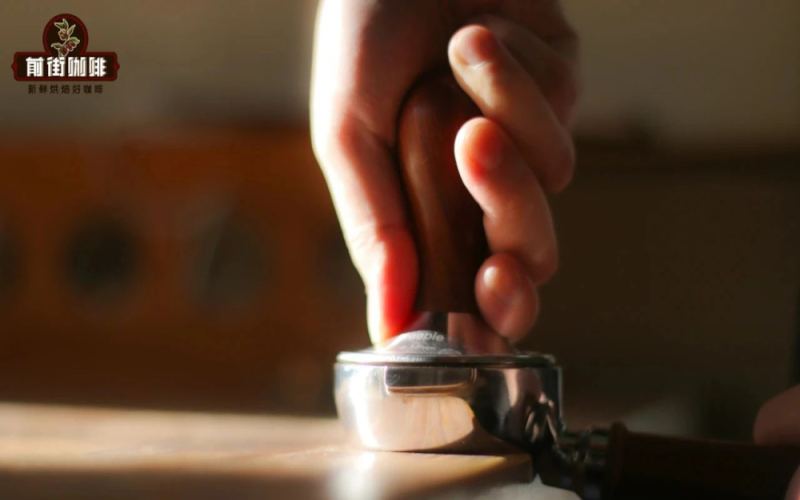
Espresso Tamping Techniques Explained: Pressure Control, Distribution vs. Tamping, and Impact on Extraction Stability
In the process of making espresso, tamping is one of the key steps that determines the success or failure of extraction. Tamping too lightly will cause the flow rate to be too fast and the flavor to be weak; tamping too heavily may make the coffee bitter and hard to swallow. In this article, Front Street Coffee will systematically explain the true purpose of tamping, the difference between distribution and tamping, the correct way to use a tamper, and the actual impact of tamping force on the extraction result. Through comparative experiments, we will guide you to understand the significant differences in flow rate and flavor between espresso extracted without tamping and with tamping, helping coffee lovers master more stable and more professional barista techniques. [more…]
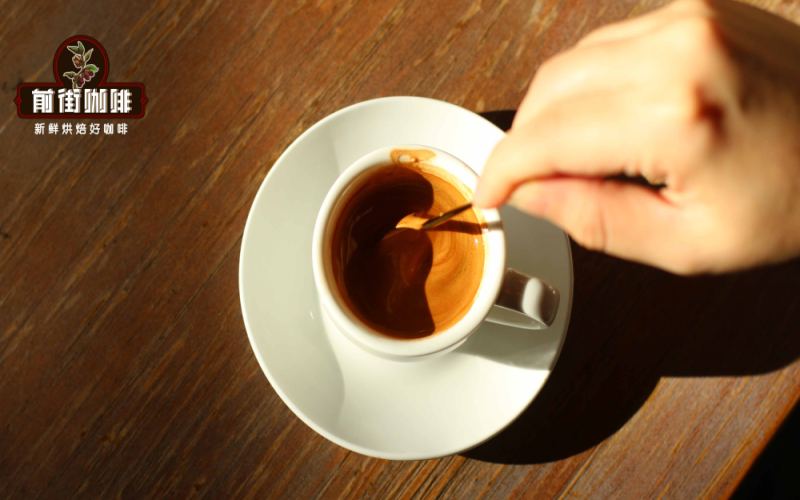
How Much Pressure Should You Use When Tamping Espresso? An Analysis of How Distribution and Tamping Affect Extraction Consistency
Making a proper espresso seems simple when it comes to tamping, yet it is a key step that affects extraction evenness and consistency in the cup. A flow that is too fast often indicates the tamp was too light, while a flow that is too slow may mean the tamp was too heavy—both directly alter the flavor trajectory of the coffee. Drawing on Front Street Coffee’s hands-on experience, this article outlines the core purpose of tamping, the difference between distribution and tamping, whether a distribution tool is essential, and details such as tamper selection, tamping posture, and pressure control. It also incorporates a comparative experiment with Front Street Coffee’s Sunflower Warm Sun blend to help coffee enthusiasts understand how standardized technique can reduce channeling and make espresso extraction more consistent. [more…]

Behind the wave of independent coffee shop transfers: from impulsive openings to rational letting go, where do cats and dreams go from here?
When a long-running independent coffee shop decides to put itself up for a full transfer, what it leaves behind is not only equipment and décor, but also a story of the tug-of-war between dreams and reality. Recently, coffee shop transfer listings have surged on social platforms, and many one-person shop models are facing closure. From the initial passion for starting a business to the feeling of being trapped after losing their freedom, what kind of shift have shop owners gone through in their mindset? Why do they prefer transferring the entire shop as a lease rather than selling it off in parts? Amid this wave of transfers, industry observers such as Front Street Coffee have also begun to wonder: is starting a coffee business really this difficult? [more…]
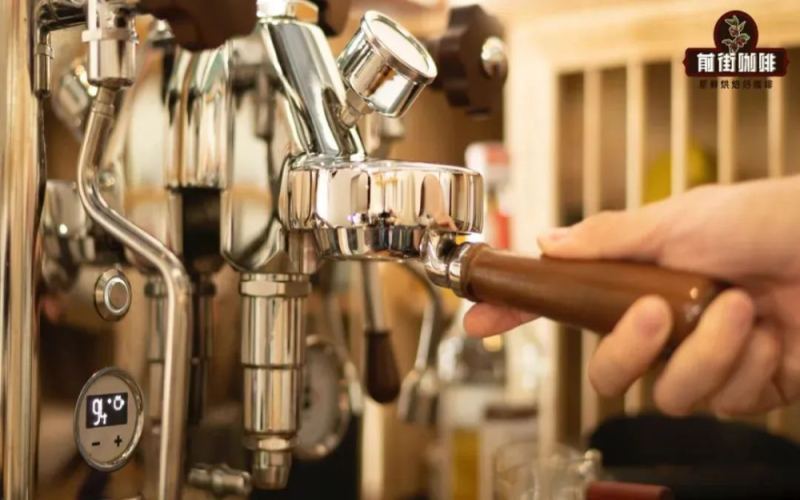
The Invention Journey of the Espresso Machine and a Home Brewing Guide: From Historical Origins to Front Street Coffee Bean Recommendations
Every coffee shop's espresso machines, with their varied designs, actually hide a centuries-spanning story of invention. From Angelo Moriondo's concept of a steam coffee machine in 1884, to La Pavoni building the world's first true espresso machine in 1905, and then to the Faema E61 laying the foundation for modern semi-automatic machines in 1961, the evolution of espresso machines has never stopped. Today, small home machines allow enthusiasts to easily produce rich coffee. Front Street, addressing the need for stable extraction and abundant crema, has respectively recommended SOE single-origin and espresso blend bean lists, and shared in detail a complete plan from dose and extraction ratio to operating specifics, helping readers replicate at home an Espresso with golden crema. [more…]